
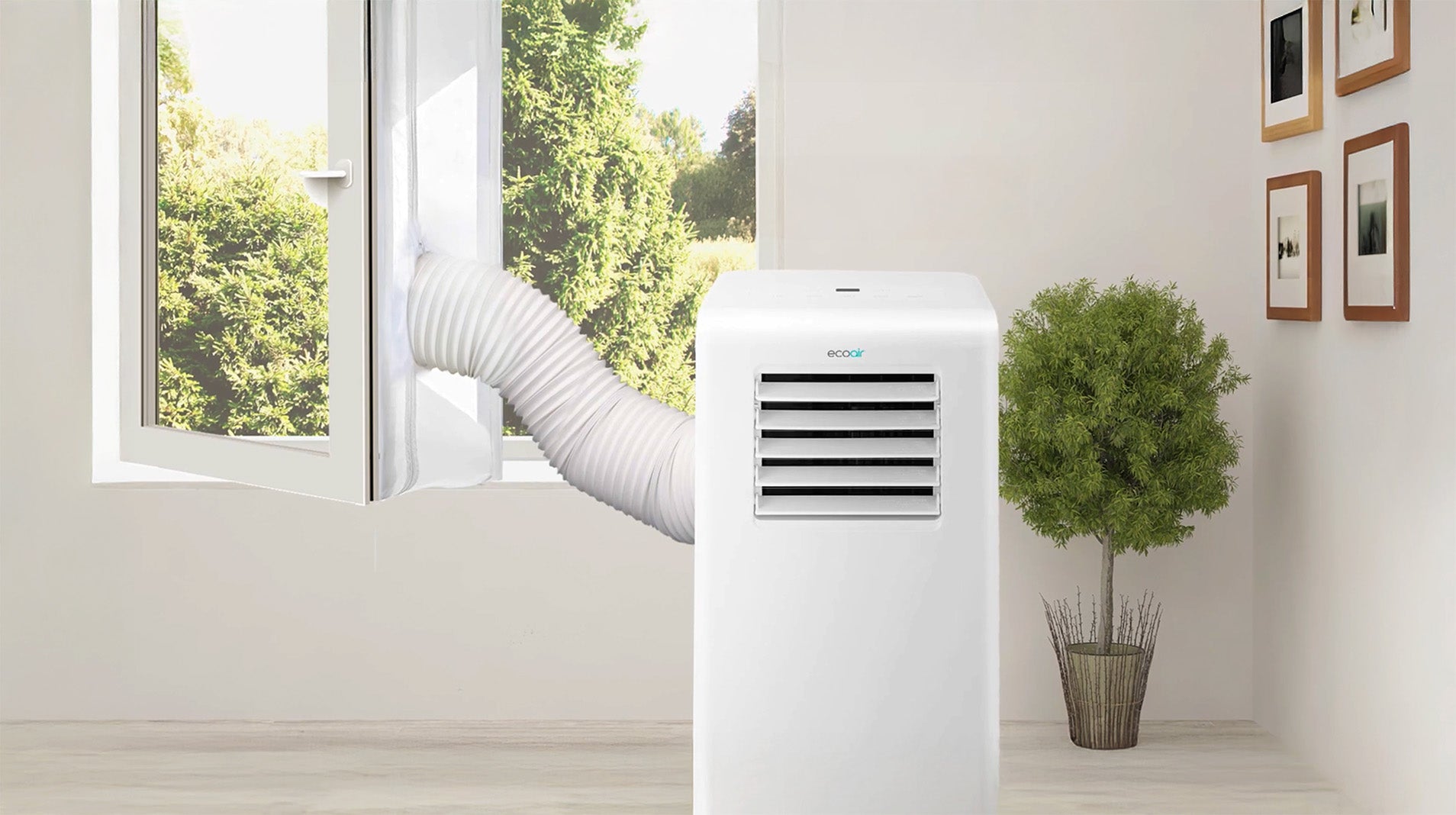
Installing a residential air conditioner requires careful planning and attention to detail to ensure efficient operation and long-lasting performance. The process begins by selecting the appropriate unit based on the size of the space to be cooled. It is essential to calculate the cooling load accurately, considering factors such as room dimensions, insulation quality, window placement, and local climate conditions. This step helps in choosing an air conditioner with adequate capacity without oversizing or undersizing, both of which can lead to inefficiency or discomfort.
Once the right unit is selected, preparation for installation involves gathering necessary tools and materials. These typically include mounting brackets or pads, electrical wiring components, refrigerant lines if applicable, drainage pipes for condensate removal, and sealing materials. Before proceeding with installation, it is important to review local building codes and obtain any required permits. Safety precautions should be observed throughout explore the options process.
For window units or split systems with indoor and outdoor components, choosing an ideal location is crucial. The indoor part should be placed where airflow can circulate freely without obstruction from furniture or curtains while minimizing exposure to direct sunlight that could reduce efficiency. The outdoor condenser must have sufficient clearance around it for ventilation and maintenance access; avoid placing it near flammable materials or areas prone to debris accumulation.
The physical installation starts by securely mounting the indoor component according to manufacturer instructions. For window units this involves fixing brackets firmly within the window frame ensuring stability against wind pressure; for split systems mounting a wall bracket at a suitable height is necessary before attaching the evaporator unit. Next comes connecting refrigerant lines between indoor and outdoor parts if applicable; this task often requires professional handling due to environmental regulations concerning refrigerant gases.
Electrical connections follow after mechanical setup is complete. Power supply wiring should comply with electrical standards using properly rated circuit breakers or fuses dedicated solely for the air conditioning system’s load demands. Grounding wires must be connected correctly to prevent electrical hazards during operation.
Drainage arrangements are also vital since condensation forms inside most air conditioners during cooling cycles. Installing drain pipes that lead moisture safely away from living spaces prevents water damage or mold growth over time.

