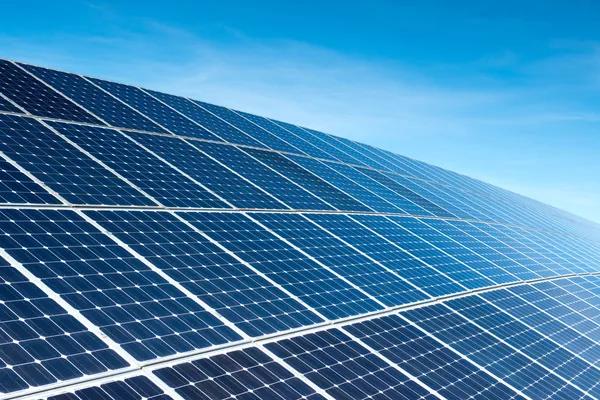
The location of solar panels is a critical factor that significantly influences their energy efficiency. Solar panels convert sunlight into electricity, and their performance largely depends on how much sunlight they receive. Therefore, choosing the right location for solar panel installation is crucial for maximizing energy output and ensuring optimal efficiency.
One of the primary considerations in selecting a location for solar panels is the amount of sunlight available throughout the year. Ideally, solar panels should be installed in areas that receive ample sunlight during daylight hours. This typically means placing them in open spaces free from obstructions such as tall buildings, trees, or other structures that could cast shadows and reduce their exposure to direct sunlight. A shaded panel can experience a significant drop in energy production since even partial shading can drastically cut down its overall output.
Another important aspect is the orientation and tilt angle of the solar panels. In most parts of the world, it’s essential to position them facing true south (in the Northern Hemisphere) or true north (in the Southern Hemisphere) to capture maximum sunlight throughout the day. The tilt angle should also be adjusted according to geographical latitude; this helps optimize sun exposure over different seasons explore website by accounting for changes in sun path across summer and winter months.
Geographical factors like climate conditions play an equally vital role when determining where to place solar panels effectively. Regions with frequent cloud cover or high precipitation rates might not be ideal due to reduced sunshine hours affecting potential power generation capabilities significantly compared with sunnier locales known for clear skies more consistently year-round.