Commercial refrigeration plays a crucial role in various industries, particularly in food service, retail, and healthcare. It involves specialized equipment designed to store perishable goods at controlled temperatures to ensure safety, freshness, and compliance with health regulations. Unlike household refrigerators, commercial units are built for higher capacity and frequent access while maintaining consistent cooling performance. Understanding the essentials of commercial refrigeration helps businesses choose the right systems that meet their operational needs efficiently.
At its core, commercial refrigeration relies on a refrigeration cycle that removes heat from the interior space and expels it outside. This process typically uses refrigerants circulating through components such as compressors, condensers, evaporators, and expansion valves. The choice of refrigerant is vital due to environmental concerns and regulatory requirements; modern systems often use eco-friendly alternatives with lower global warming potential compared to older chemicals like CFCs or HCFCs.
Different types of Commercial Refrigeration equipment serve various purposes depending on usage scenarios. Reach-in refrigerators and freezers are common in kitchens for easy access to ingredients during meal preparation. Walk-in coolers provide larger storage spaces suitable for bulk inventory management in supermarkets or warehouses. Display cases combine cooling with attractive presentation features ideal for retail environments where customers select products directly from the unit.
Energy efficiency is an important consideration when selecting commercial refrigeration units because these systems typically operate continuously throughout business hours. Advances in technology have led to improvements such as variable speed compressors, enhanced insulation materials, LED lighting inside cabinets instead of incandescent bulbs, and smart controls that adjust temperature settings based on usage patterns or ambient conditions. These innovations reduce energy consumption while maintaining optimal preservation conditions.
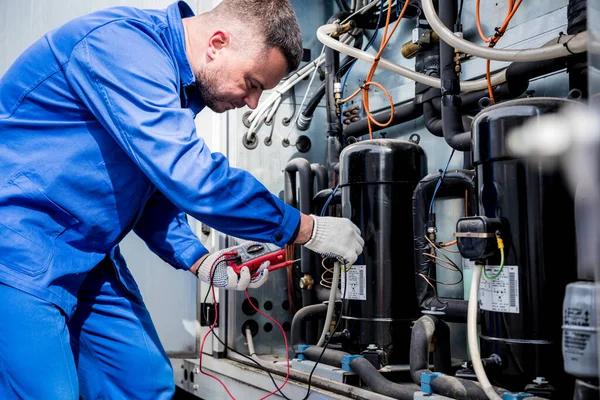
Maintenance practices significantly affect the longevity and reliability of commercial refrigeration equipment. Regular cleaning of condenser coils prevents dust accumulation that can impair heat exchange efficiency. Checking door seals ensures minimal cold air loss during operation since worn gaskets lead to increased energy use and uneven cooling zones inside units. Periodic inspection by qualified technicians helps identify potential issues early before they cause costly breakdowns or spoilage incidents.
Compliance with local health codes is mandatory when using commercial refrigeration devices for food storage or pharmaceuticals. Proper temperature monitoring through digital sensors linked to alarms alerts staff if temperatures deviate beyond safe ranges so corrective actions can be taken immediately to avoid contamination risks.
In summary, understanding how commercial refrigeration works along with choosing appropriate types tailored for specific business needs enhances operational effectiveness while safeguarding product quality and safety standards over time. Investing in energy-efficient models combined with routine maintenance supports sustainable practices without compromising performance essential within demanding professional environments requiring reliable cold storage solutions daily across many sectors worldwide today.