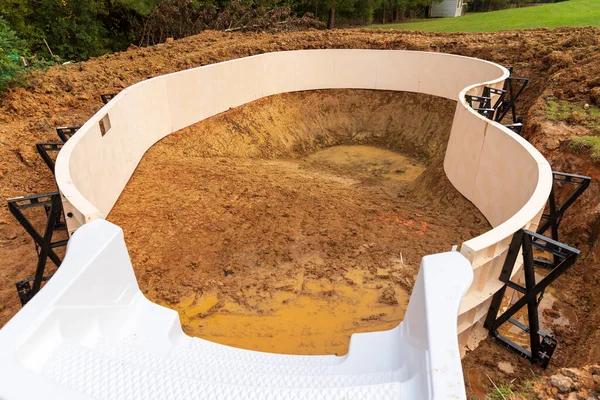
When embarking on the exciting journey of pool construction, many factors influence the overall cost. Among these, the type of soil present at the construction site plays a critical role. Understanding how different soil types affect pool construction costs can help homeowners make informed decisions and anticipate potential challenges.
Firstly, clay soils are commonly encountered in various regions and are known for their high plasticity and water retention properties. During pool construction, clay can pose significant challenges due to its tendency to expand when wet and contract when dry. This expansion and contraction can lead to ground shifting, which may result in structural issues for pools if not properly managed. To counteract these effects, additional reinforcement such as stronger retaining walls or specialized drainage systems might be necessary, thereby increasing construction costs.
Sandy soils present a different set of considerations. Known for their excellent drainage capabilities, sandy soils do not retain water like clay does; however, they lack stability due to their loose composition. find out more by clicking this link instability can cause problems during excavation as the sand tends to collapse back into trenches or holes dug for pool installation. Consequently, builders often need to employ shoring techniques or use more concrete than initially anticipated to ensure stability during and after construction—factors that inevitably raise expenses.
Rocky soils introduce another layer of complexity in terms of excavation difficulty. The presence of rocks or boulders requires specialized machinery and skilled labor to remove them effectively without damaging equipment or delaying timelines significantly. The added time and resources needed for excavating rocky terrain contribute substantially to increased labor costs.
Loam is considered ideal among soil types due to its balanced mixture of sand, silt, and clay components offering both good drainage characteristics while maintaining sufficient stability during excavation processes—often resulting in lower preparation costs compared with other soil types mentioned earlier.
Despite being less common than others discussed here but still worth mentioning are peat-based soils found primarily near marshlands characterized by high organic content leading towards poor load-bearing capacity requiring either complete removal/replacement before any serious building efforts commence—which could prove costly depending upon extent required plus disposal fees involved afterward too!
In conclusion: understanding local geology beforehand allows better budgeting predictions avoiding unexpected surprises down line ensuring smoother project execution overall! It’s essential consult professionals familiar specific area conditions assess risks accurately determine appropriate strategies mitigate potential complications arising from unsuitable foundations thus safeguarding investment long term satisfaction guaranteed peace mind knowing everything accounted prior breaking ground literally figuratively speaking course!