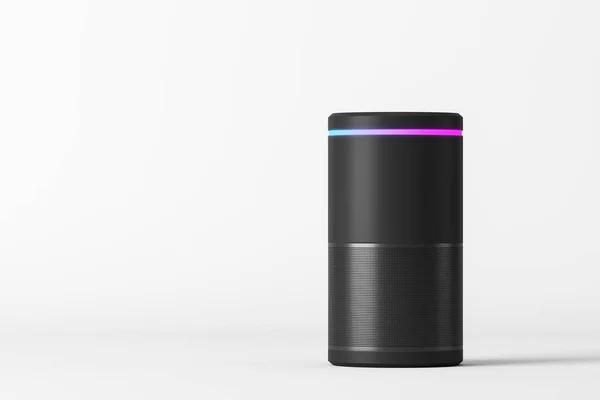
In today’s rapidly evolving technological landscape, AI personal assistants are becoming increasingly integral in the workplace. These digital aides promise to enhance productivity, streamline operations, and provide valuable insights. However, effectively testing these AI systems is crucial to ensure they deliver on their potential without introducing unforeseen challenges.
To begin with, it’s essential to establish clear objectives for what you want the AI personal assistant to achieve within your organization. This involves identifying specific tasks or processes where the AI can add value—be it scheduling meetings, managing emails, or generating reports. By defining these goals upfront, you create a benchmark against which browse the site assistant’s performance can be measured.
Next is selecting an appropriate pilot group that will interact with the AI system during its testing phase. This group should represent a cross-section of your organization’s workforce to ensure diverse feedback and comprehensive evaluation. Encourage open communication among participants so that they feel comfortable sharing both positive experiences and any frustrations encountered while using the assistant.
Once deployed within this controlled environment, it’s vital to monitor how well the AI integrates into existing workflows. Pay attention not only to quantitative metrics like time saved or error reduction but also qualitative factors such as user satisfaction and ease of use. Gathering this data requires implementing robust feedback mechanisms that allow users to report issues quickly and suggest improvements.
Another critical aspect is assessing how well the AI handles complex queries or tasks beyond its basic programming capabilities. Testing scenarios should include unpredictable elements that challenge the system’s adaptability and learning capacity over time. This helps identify limitations in current functionalities while highlighting areas for future development.
Security considerations cannot be overlooked when evaluating an AI personal assistant in a professional setting since sensitive information may be processed by these systems daily; ensuring compliance with relevant data protection regulations must remain paramount throughout all stages of testing deployment cycles alike!
Moreover – don’t forget about scalability: As more employees start relying upon said technology solutions company-wide post successful trial runs initial rollouts made possible via strategic planning efforts undertaken beforehand! Therefore keeping tabs on resource consumption levels alongside response times under varying loads becomes imperative moving forward too…
Finally yet importantly remember iterative refinement plays key role here given ever-changing nature inherent field artificial intelligence itself constantly evolves thereby necessitating ongoing adjustments updates based findings gathered thus far enabling continued optimization overall effectiveness long-term basis ultimately benefiting entire organization holistically speaking course!
By employing smart strategies tailored specifically towards evaluating integration success rates associated introduction new-age tools workplaces globally today businesses stand better chances reaping full array benefits offered cutting-edge innovations transforming modern-day environments ways previously unimaginable few short years ago now reality thanks advances made recent times indeed!