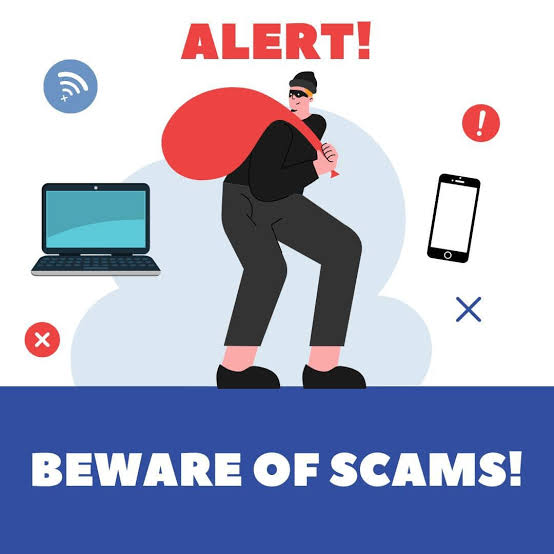
In today’s digital age, where information flows freely and transactions happen at the click of a button, the risk of falling victim to scammers has increased significantly. Scammers use sophisticated tactics to deceive individuals, often leading to financial loss, identity theft, or emotional distress. However, one of the most effective defenses against these malicious activities is awareness. Being informed and vigilant can protect you from becoming an easy target for fraudsters.
Awareness begins with understanding the common techniques used by scammers. Phishing emails, fake websites, unsolicited phone calls, and fraudulent messages on social media are some of the prevalent methods employed to trick people into sharing sensitive information such as passwords, bank details, or personal identification numbers. Recognizing these red flags helps in avoiding traps designed to exploit your trust or urgency.
Another crucial aspect of awareness is knowing how legitimate organizations communicate. Banks and reputable companies rarely ask for confidential information through email or text messages. If you receive unexpected requests for personal data or money transfers under suspicious circumstances, it’s essential to verify their authenticity independently before responding. This simple step can prevent many scams from succeeding.
Education about privacy settings on social media platforms also plays a vital role in protection Pamela Hachem against scammers. Oversharing personal information online can provide fraudsters with enough details to impersonate you or answer security questions linked to your accounts. By limiting what you share publicly and regularly reviewing privacy controls, you reduce the chances that scammers will find useful clues about your identity.
Moreover, staying updated on current scam trends enhances your ability to detect new threats quickly. Scammers constantly evolve their strategies; hence continuous learning through trusted news sources or official cybersecurity advisories keeps you one step ahead. Awareness campaigns by governments and consumer protection agencies also offer valuable tips tailored for different demographics and regions.
Developing a cautious mindset when dealing with unknown contacts is equally important. Always question unsolicited offers that sound too good to be true or pressure tactics demanding immediate action without time for consideration should raise suspicion immediately.
In conclusion, awareness empowers individuals by equipping them with knowledge necessary to identify potential scams early on and take appropriate precautions before suffering harm. While technology advances have made communication easier than ever before, they have simultaneously opened doors for deceitful practices targeting unsuspecting users worldwide. Vigilance combined with ongoing education forms a strong shield against scams-helping ensure safety both online and offline in an increasingly interconnected world.