Air conditioning systems are vital for maintaining comfort in homes and offices, especially during the sweltering summer months. However, like any other appliance, they can encounter issues that disrupt their functionality. One common problem is a blocked condensate drain, which can lead to water leakage and reduced cooling efficiency. Understanding how to address this issue promptly can prevent costly repairs and ensure your AC unit operates smoothly.
Firstly, it’s essential to recognize the symptoms of a blocked condensate drain. These may include water pooling around the indoor unit or unusual humidity levels within your space. Additionally, you might notice that your air conditioner isn’t cooling as effectively as before. If these signs are evident, it’s time to inspect the condensate drain line.
Before beginning any maintenance work on your AC system, ensure safety by turning off the power supply at the main electrical panel or directly from the AC unit itself. This precaution prevents any risk of electric shock while working on the system.
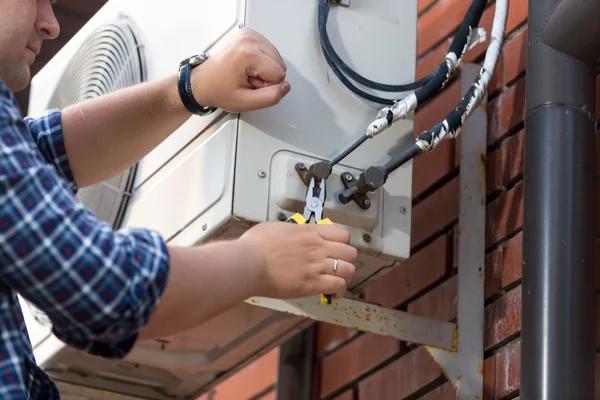
Once power is disconnected, locate the condensate drain line—usually a PVC pipe near your outdoor condenser unit or inside near your furnace if you have an indoor evaporator coil setup. The next step involves clearing out any blockage within this pipe. A common method is using a wet/dry vacuum to suction debris from either end of the drain line; this technique often dislodges minor clogs efficiently.
For view more stubborn blockages caused by algae or mold buildup—a frequent occurrence due to moisture in these pipes—you might need a more thorough cleaning approach. Mixing equal parts of distilled vinegar and warm water creates an effective cleaning solution that helps dissolve organic material obstructing flow through the pipe when poured into it slowly over several minutes.
In addition to manual cleaning efforts like vacuuming or using vinegar solutions periodically throughout peak usage seasons (spring/summer), installing float switches provides additional protection against overflow damage by shutting down operations automatically upon detecting high liquid levels within drip pans beneath units themselves—thereby preventing excessive spillage onto floors below them altogether!
Moreover, regular maintenance checks conducted every six months help catch potential problems early before they escalate into larger issues requiring professional intervention later down-the-line unnecessarily so! During such inspections performed either personally (if comfortable doing so) OR via licensed HVAC technicians hired specifically for purpose alike: always examine areas surrounding equipment closely looking signs wear tear along hoses connections joints etc., replacing worn components proactively whenever necessary too!
By following these expert tips diligently over time ensures optimal performance longevity overall while minimizing unexpected breakdowns costs associated therein ultimately benefiting everyone involved significantly thus making life easier happier all-around long-term perspective indeed!