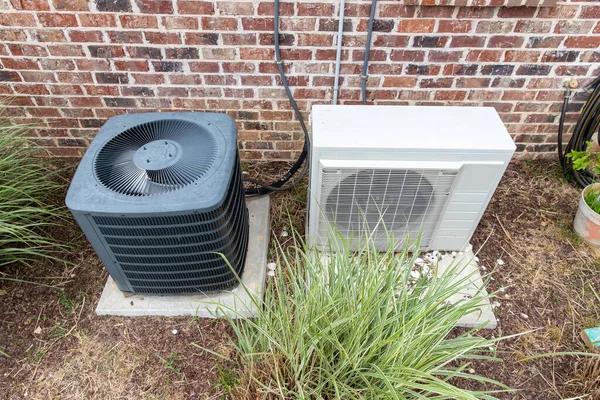
Mini split cooling systems have become increasingly popular in recent years due to their efficiency, flexibility, and ease of installation. These systems consist of an outdoor compressor unit connected to one or more indoor air-handling units. Unlike traditional central air conditioning systems, mini splits do not require ductwork, making them an ideal choice for homes and buildings without existing ducts or for room additions where extending ductwork is impractical. A key advantage of modern mini split cooling systems lies in their advanced energy-saving features that significantly reduce electricity consumption while maintaining optimal comfort levels.
One of the primary energy-saving technologies incorporated into these systems is inverter-driven compressors. Traditional air conditioners operate by cycling the compressor on and off to maintain temperature, which can lead to higher energy use during startup phases. In contrast, inverter technology allows the compressor to adjust its speed continuously based on cooling demand. This results in smoother operation with fewer fluctuations in temperature and less power consumption over time. By running at variable speeds rather than full capacity all the time, mini splits with inverter compressors achieve greater efficiency and lower utility bills.
Another important feature contributing to energy savings is smart thermostatic controls integrated into many modern Mini Split models. These controls enable precise temperature regulation by learning user preferences and adapting cooling output accordingly. Some units come equipped with Wi-Fi connectivity that allows users to monitor and adjust settings remotely through smartphone apps or voice-activated assistants like Alexa or Google Home. This level of control helps prevent unnecessary cooling when rooms are unoccupied or when outdoor temperatures drop during evenings.
Additionally, many advanced mini split systems include eco-friendly refrigerants that have a lower global warming potential compared to older substances such as R-22 Freon. Using environmentally safer refrigerants not only reduces the system’s impact on climate change but also often improves overall performance since newer refrigerants tend to be more efficient at heat transfer.
Variable fan speeds within indoor units further contribute to reducing electricity use by tailoring airflow according to current needs instead of operating constantly at maximum capacity. Combined with high Seasonal Energy Efficiency Ratio (SEER) ratings-often exceeding 20-these factors make mini splits some of the most energy-efficient cooling options available today.
In summary, mini split cooling systems equipped with advanced energy-saving features offer a compelling solution for effective climate control without excessive energy costs or environmental harm. Their combination of inverter technology, smart controls, eco-friendly refrigerants, and adjustable fan speeds ensures comfortable indoor environments while promoting sustainability through reduced power consumption. As awareness about energy conservation grows among consumers and businesses alike, these innovative systems continue gaining traction as both practical and responsible choices for modern air conditioning needs.