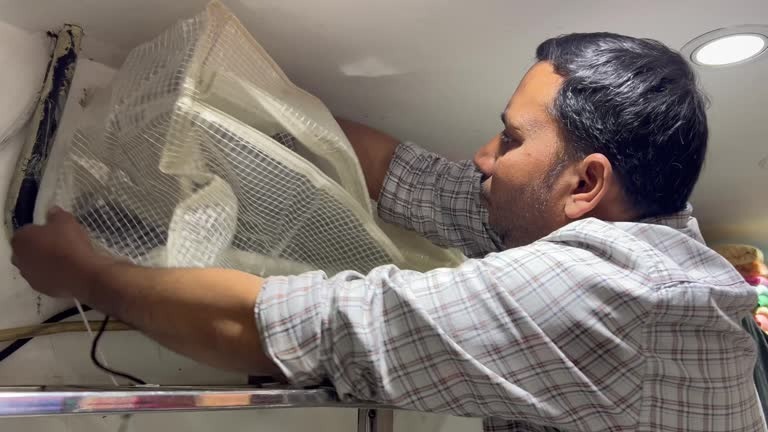
Addressing weak compressor start conditions in air conditioning systems requires a strategic approach to ensure efficient operation and prolong the lifespan of the equipment. A weak compressor start can lead to inadequate cooling, increased energy consumption, and potential damage to the system. Therefore, employing smart repair strategies is crucial for maintaining optimal performance.
One effective strategy is the use of hard start kits. These devices are designed to provide an additional electrical boost during startup, helping compressors overcome initial resistance. By supplying extra torque, hard start kits facilitate smoother startups and reduce strain on the compressor motor. This not only enhances efficiency but also minimizes wear and tear over time.
Another important consideration is regular maintenance checks. Routine inspections allow technicians to identify early signs of wear or potential issues that could contribute to weak starts. For instance, checking electrical connections ensures they are secure and free from corrosion or damage. Loose connections can impede current flow, exacerbating starting problems.
Additionally, evaluating capacitor health is vital since capacitors play a significant role in providing necessary power surges during startup. Replacing faulty or underperforming capacitors with high-quality ones can significantly improve starting reliability.
In some cases, upgrading components may be necessary for optimal performance under specific conditions. Modern compressors often feature advanced technologies that enhance their ability to handle varying loads efficiently. Retrofitting older systems with these newer components can mitigate starting difficulties by leveraging improved design features such as variable speed drives or enhanced thermal protection mechanisms.
Moreover, ensuring proper refrigerant levels is essential for efficient compressor operation. Low refrigerant levels increase pressure within learn the key points system which hampers smooth startups while potentially damaging internal components due to overheating risks associated with insufficient lubrication caused by low refrigerant flow rates through critical areas like bearings surfaces where friction occurs naturally between moving parts leading eventually towards failure if left unchecked long enough without intervention needed promptly before things get worse beyond repairable limits set forth according industry standards governing safe practices followed worldwide today among professionals working field HVACR (Heating Ventilation Air Conditioning Refrigeration).
Furthermore implementing smart diagnostic tools aids significantly troubleshooting efforts enabling quick identification root causes underlying any given issue encountered thereby allowing swift corrective actions taken place immediately upon discovery preventing escalation further down line later stages development cycle avoiding costly repairs replacements altogether whenever possible saving both time money resources invested upfront initially planned budget allocations made earlier phases project planning processes involved stakeholders concerned parties alike interested outcomes achieved successfully end result desired ultimately benefiting everyone involved directly indirectly affected positively overall experience gained collectively shared knowledge base expanded exponentially overtime continuously evolving adapting changing needs demands ever growing market trends seen globally across borders cultures societies interconnected interdependent increasingly reliant technology advancements shaping future generations come yet unborn still waiting emerge forefront innovation creativity unlimited possibilities await exploration ahead journey embarked together united common goals aspirations dreams fulfilled realized someday soon hopefully sooner rather than later!